London · 2026 Guide
Crittall Window Replacement Options
The direct answer
Short answer
Request an itemised quote for your opening and specification. Check the supply, installation and preparation work included before comparing prices.
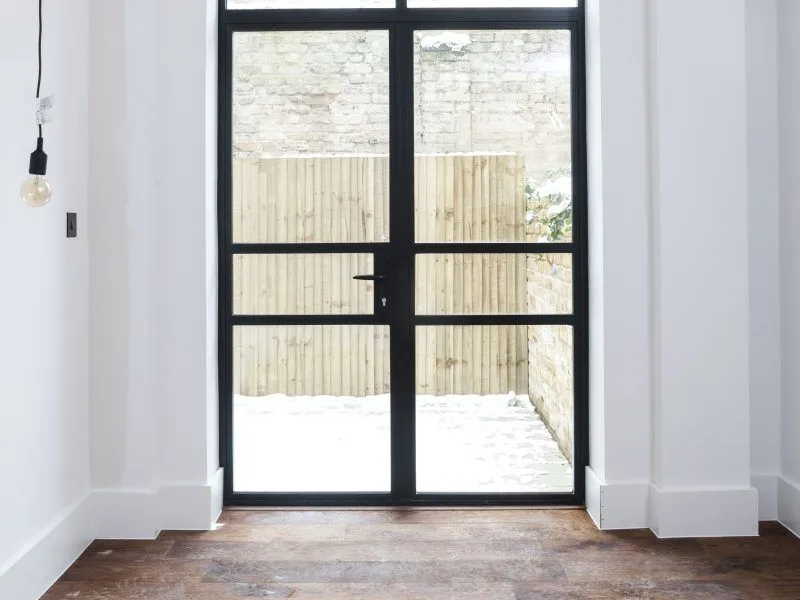
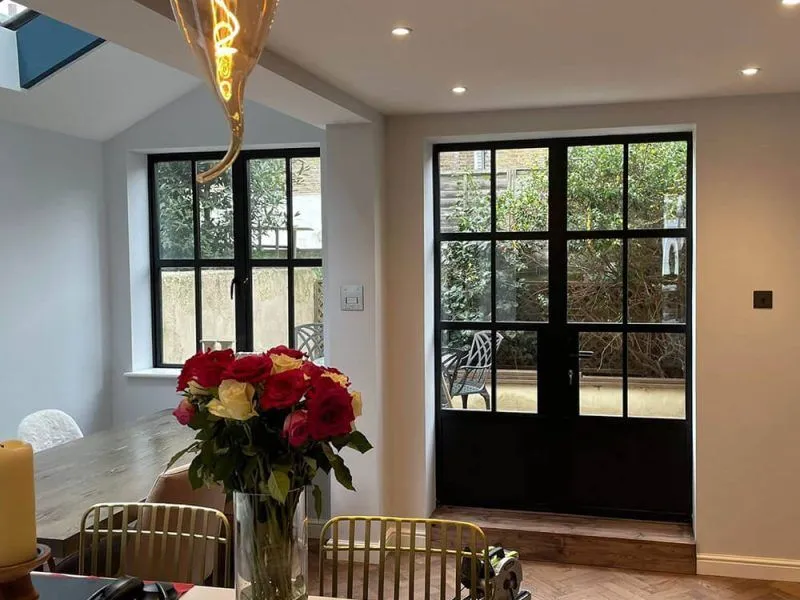
Crittall Windows Ltd (founded 1849, still trading from Witham, Essex) defined the slim-steel aesthetic on UK 1920s-1960s housing. Their modern T60 system is thermally broken and double-glazed. The aluminium replica market, led by Smart Aluspace, emerged to deliver the same look with better U-values and lower lifetime maintenance.
Four options compared
Side-by-side breakdown of the realistic Crittall replacement pathways. Apex Glazing supplies all four, pricing is London 2026, fitted and FENSA self-certified.
| Option | Material | Sightline | U-value | Cost / window |
|---|---|---|---|---|
| Restore original Crittall | Existing steel | ~25mm | 4-6 W/m²K (single) | Quote required |
| New Crittall T60 steel | Thermally-broken steel | ~28mm | 1.4-1.6 W/m²K | Quote required |
| Smart Aluspace replica | Steel-look aluminium | ~25mm | 1.4 W/m²K | Quote required |
| APX Period style Aluminium | Period style aluminium | ~28mm | 1.4-1.6 W/m²K | Quote required |
When each option is right
No single option is best. The correct choice depends on listing status, conservation officer requirements, target U-value, and budget.
| Scenario | Best option | Why |
|---|---|---|
| Grade I or Grade II* listed building | Restoration | Listed Building Consent almost always requires retaining original frames |
| Grade II listed, original frames intact | Restoration or new Crittall T60 | LBC may permit T60 if existing frames are beyond economic repair |
| Conservation area, Article 4, original Crittall present | New Crittall T60 or Smart Aluspace | Conservation officer call, Aluspace approved in many London CAs |
| Conservation area, no listing, modernist house | Smart Aluspace | Steel-look aesthetic at modern thermal performance |
| Modern build, design-led extension | APX Period style Aluminium | Best price-to-aesthetic ratio for non-heritage projects |
| 1930s art deco home, unlisted, EPC matters | Smart Aluspace | 1.4 W/m²K vs 5.0+ for original, major heat loss reduction |
| Crittall on rear elevation only | APX Period style Aluminium | Rear elevations rarely scrutinised; lowest cost path |
Restoration vs replacement
Steel Crittall frames can almost always be restored if the corrosion is shallow. Decision points:
| Condition | Restoration viable? | Approach |
|---|---|---|
| Surface rust, intact profile | Yes | Strip, treat, repaint, draught-strip, secondary glazing |
| Pitting in localised areas | Yes | Localised steel splice, then full strip and repaint |
| Section loss in main frame | Marginal | Specialist welder repair, often more costly than replacement |
| Frame has parted / dropped | No | Replace with new Crittall T60 (LBC required) |
| Single glazed, thermal upgrade needed | With secondary glazing | Restore + internal secondary glazing brings Uw to ~2.0 W/m²K |
Apex Glazing's conservation track record
We have installed Smart Aluspace and APX Period style Aluminium replicas in over 80 conservation properties across London. Conservation officers we work with regularly approve Aluspace where the original window is steel and the property is not individually listed.
| Hampstead, multiple Aluspace approvals on art deco semis (Camden CA) |
| Crouch End, Aluspace approved on 1930s Mansards and bay windows (Haringey CA) |
| Richmond, APX Period style on rear extensions of 1920s Bedford Park-style houses |
| Highgate, restoration of original Crittall on a Grade II listed mews property |
| Chiswick, Aluspace front and rear, Bedford Park edge (non-listed plot, Article 4) |
| Putney, APX Period style on a non-listed 1934 Tudor revival house |
Frequently asked
What are the options for replacing Crittall windows?
Request an itemised quote for your opening and specification. Check the supply, installation and preparation work included before comparing prices.
Can you replace Crittall windows with aluminium?
Yes, and it's the most common path in non-listed properties. Steel-look aluminium systems like Smart Aluspace and APX Period style Aluminium replicate the slim sightlines of Crittall (around 25mm) but use thermally-broken aluminium for a U-value of 1.4-1.6 W/m²K, versus 4-6 W/m²K for original single-glazed Crittall. They are widely approved in conservation areas and are the practical choice for unlisted modernist or art deco homes.
How much does it cost to replace Crittall windows?
Request an itemised quote for your opening and specification. Check the supply, installation and preparation work included before comparing prices.
Can I replace Crittall on a listed building?
Yes, but only with Listed Building Consent. Conservation officers usually require restoration of the original Crittall frames where structurally possible. If full replacement is approved, it is almost always with new genuine Crittall steel (T60 or HOPE's Heritage), aluminium replicas are very rarely accepted on listed elevations. Apex Glazing handles the application, including drawings, materials sample boards, and design statements.
Are Smart Aluspace windows approved in conservation areas?
Often yes. Smart Aluspace replicates Crittall sightlines (around 25mm) and has been approved in many London conservation areas including parts of Hampstead, Highgate, Crouch End, and Richmond. Approval is at the conservation officer's discretion and depends on the original window character. Article 4 areas and listed buildings have higher hurdles. Apex Glazing has installed Aluspace in over 80 London conservation properties.
What's the U-value of new Crittall windows?
Modern Crittall T60 thermally-broken steel achieves a whole-window U-value of 1.4-1.6 W/m²K with double glazing, meeting UK Building Regulations Part L. Original single-glazed Crittall (1920s-1970s) sits at 4-6 W/m²K. Smart Aluspace aluminium replicas typically reach 1.4 W/m²K, and APX Period style Aluminium 1.4-1.6 W/m²K. Triple glazing brings all three into the 1.0 W/m²K range.
How long do new Crittall windows last?
New Crittall T60 thermally-broken steel windows are rated for 60+ years if properly maintained, repaint every 8-10 years on exposed elevations. Original 1930s Crittall is still in service after 90+ years, demonstrating the durability of steel as a frame material. Steel-look aluminium replicas last 30-40+ years and don't need repainting.
Do Crittall replacements need planning permission?
Check the current application fee and required consents with your local planning authority before ordering.
What's the difference between Aluspace and APX Period style Aluminium?
Both are steel-look aluminium systems with similar thermal performance and sightlines. Smart Aluspace is the longer-established premium product with proven conservation officer approval and the slimmest 25mm sightlines. APX Period style Aluminium offers similar aesthetics at lower fitted cost (15-20% saving) with 28mm sightlines and is suitable for non-listed conservation projects and modernist new builds.